

Best kitten food UK: vet picks for every budget

Best kitten food UK: vet picks for every budget
Best overall: Hill’s Science Plan Kitten — research-backed, vet-endorsed, and widely available across the UK. It covers the nutritional demands of rapid growth without requiring any supplementation, which is exactly what most kitten owners need from a single formula.
Here is the shortlist at a glance:
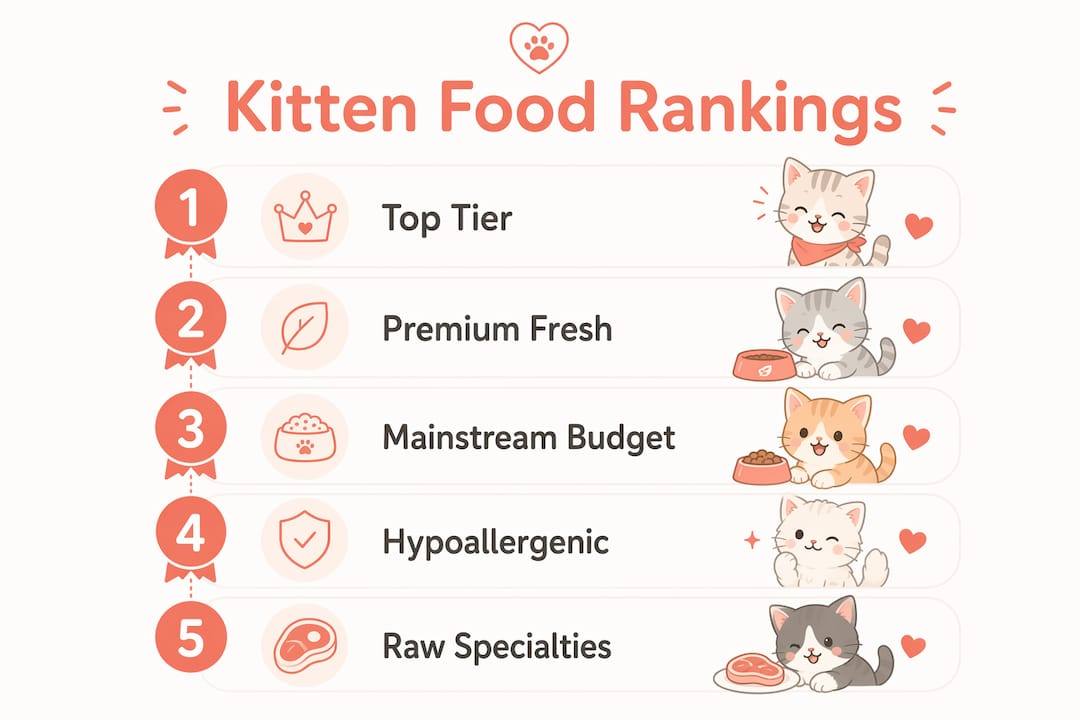
- Best overall: Hill’s Science Plan Kitten — vet-recommended, complete and balanced to FEDIAF growth standards, backed by documented feeding trials
- Best wet food: Royal Canin Mother & Babycat Ultra-Soft Mousse — ultra-soft texture ideal for very young or weaning kittens
- Best dry food: Farmina Dry Cat Food (kitten formula) — premium named-protein dry with strong ingredient sourcing
- Best fresh food: KatKin Splash — UK fresh-food delivery with high moisture content and strong palatability
- Best budget: Purina One Kitten Dry — reliable, widely stocked in supermarkets, good nutritional profile for the price
- Best for sensitive tummies: James Wellbeloved Kitten Food — limited-ingredient, hypoallergenic formulation
- Best for convenience: Giddy Pets curated kitten bundle — curated wet and dry options, subscription delivery, and vet-informed picks in one place
- Best natural/boutique: Lily’s Kitchen Kitten Range — natural ingredient focus, UK brand, good palatability
- Best premium raw/fresh: Bella & Duke Grass-Fed Lamb + Duck — ethically sourced novel proteins for variety-seeking owners
Table of Contents
- How do the best kitten foods in the UK compare?
- Mini reviews: why each formula made the shortlist
- How to choose the right kitten food: a practical checklist
- Why do kittens need their own formula?
- Final verdict: where to buy kitten food in the UK
- Key takeaways
- A note on how these picks were selected
- Giddy Pets kitten food bundles: a convenient starting point
- Useful sources and further reading
How do the best kitten foods in the UK compare?
The table below covers the key decision factors for each shortlisted formula. Prices are approximate UK retail guides and will vary by retailer and pack size.
| Product | Best for | Type | Key nutrition highlights | Price guide | UK availability | Age suitability |
|---|---|---|---|---|---|---|
| Giddy Pets curated kitten bundle | Convenience & curated choice | Wet + dry bundle | Varies by bundle; vet-informed selection | Subscription pricing | Giddypets.co.uk, UK delivery | 8 weeks+ |
| Hill’s Science Plan Kitten Food | Vet-recommended nutrition | Wet & dry | High protein, DHA, taurine, feeding-trial backed | £6–£8/kg dry; £3–£4/pouch | Vets, Pets at Home, online | 8 weeks–12 months |
| Royal Canin Mother & Babycat Ultra-Soft Mousse | Very young/weaning kittens | Wet (mousse) | High protein, soft texture, taurine | £2.00/pouch | Vets, Pets at Home, online | 1–4 months |
| Royal Canin Kitten | Growing kittens (4–12 months) | Wet & dry | Protein, taurine, EPA/DHA, antioxidants | £5–£7/kg dry | Vets, Pets at Home, online | 4–12 months |
| KatKin Splash | Fresh food & hydration | Fresh (delivered) | High moisture, named proteins, no fillers | — | KatKin.com, UK delivery | 8 weeks+ |
| Farmina Dry Cat Food (kitten) | Premium dry nutrition | Dry | Named animal protein, low carb, taurine | £8–£12/kg | Specialist pet stores, online | 8 weeks–12 months |
| Applaws Wet Kitten | Single-source protein wet meals | Wet | Named meat/fish, minimal additives, high protein | £1.20/pouch | Supermarkets, Pets at Home, online | 8 weeks+ |
| Lily’s Kitchen Kitten Range | Natural ingredient positioning | Wet & dry | Named proteins, no artificial additives, taurine | £2.00/pouch | Pets at Home, online | 8 weeks–12 months |
| Purina One Kitten Dry | Budget & supermarket availability | Dry | Protein, taurine, vitamins/minerals | £3–£5/kg | Supermarkets, online | 8 weeks–12 months |
| James Wellbeloved Kitten Food | Sensitive tummies | Dry & wet | Single protein source, no common allergens | £6/kg dry | Pets at Home, online | 8 weeks–12 months |
| Bella & Duke Grass-Fed Lamb + Duck | Premium raw/fresh | Raw/fresh | High protein, grass-fed, no fillers | £6–£10/kg | Bella & Duke website, online | 8 weeks+ |
| Untamed Chocka Chicken in Gravy | High-protein wet feeding | Wet | High chicken content, taurine, minimal additives | £1.80/pouch | Untamed website, online | 8 weeks+ |
| Fuzzball Wet Food | Variety-seeking owners | Wet | Named proteins, grain-free options | £1.50/pouch | Online specialist retailers | 8 weeks+ |
| Hilife Kitten Chicken and Tuna Pate | Budget wet option | Wet (pâté) | Chicken and tuna protein, taurine | £0.80/pouch | Supermarkets, online | 8 weeks+ |
| Nutriment Cat Raw Beef | Raw feeding | Raw | High protein, organ meat, no fillers | £5–£8/kg | Nutriment website, online | 8 weeks+ |
A note on reading the price guide: per-kg figures are most useful for dry food comparisons. Wet and fresh foods carry higher moisture content, so a direct per-kg comparison with dry food is misleading. A kitten eating wet food exclusively will typically consume more grams per day than one on dry, so factor in portion size alongside price per kg.
Subscription options are available from KatKin, Bella & Duke, Nutriment, and Giddypets. Supermarket brands (Purina One, Hilife) are the most accessible for same-day purchase, while specialist formulas (Farmina, Hill’s) are best ordered online or through a vet practice.
Mini reviews: why each formula made the shortlist
Hill’s Science Plan Kitten Food
Hill’s earns the top spot because it is one of the few kitten foods backed by documented feeding trials rather than formulation alone. Vet-exclusive diets like Hill’s are formulated to be complete and balanced for growth without requiring owner supplementation, which removes a significant source of error for new kitten owners. The dry formula contains DHA from fish oil for brain and eye development, named chicken as the primary protein, and a clear taurine declaration. Available from vet practices, Pets at Home, and online retailers across the UK.
Pros: Feeding-trial backed; vet-endorsed; strong digestive and immune support formulation; widely stocked. Cons: Premium price point; some kittens prefer wet-only feeding.
Royal Canin Mother & Babycat Ultra-Soft Mousse
The ultra-soft mousse texture is genuinely different from standard wet pouches. It is designed for kittens from birth to four months, including those being weaned or those with small, underdeveloped mouths. The formulation is highly digestible and palatable, which matters enormously when a kitten is transitioning from milk to solid food. Royal Canin’s broader kitten range (4–12 months) picks up from there with dry and wet options that carry taurine, EPA/DHA, and antioxidants for immune support.
Pros: Ideal texture for very young kittens; targeted life-stage formulation; strong palatability. Cons: Higher cost per gram; mousse format not suitable as a sole diet beyond early weeks.
KatKin Splash
KatKin is the UK’s most prominent fresh-food delivery service for cats, and Splash is their kitten-appropriate recipe. The high moisture content supports hydration, which is a genuine benefit given that wet food increases water intake and can support urinary health. Ingredients are human-grade, with named proteins and no artificial preservatives. Delivery is subscription-based, which suits owners who want a regular, fuss-free routine.
Pros: High moisture; named proteins; fresh delivery model; strong palatability. Cons: Higher cost than standard wet food; requires freezer/fridge space; subscription commitment.
Farmina Dry Cat Food (kitten formula)
Farmina sits at the premium end of dry kitten food in the UK. The kitten formula uses named animal proteins (typically chicken or herring) as the primary ingredient, with a lower carbohydrate profile than many mainstream dry foods. It is a good choice for owners who want dry-food convenience without the vague “meat and animal derivatives” labelling common in budget ranges. Available from specialist pet retailers and online.
Pros: Named protein sources; premium ingredient sourcing; low-carb profile. Cons: Less widely stocked than mainstream brands; higher price per kg.
Applaws Wet Kitten
Applaws keeps its ingredient lists short, which is the point. Pouches and tins typically contain one named meat or fish, broth, and little else. This makes it a practical choice for owners who want to know exactly what their kitten is eating, and it suits kittens who respond well to single-source protein meals. The high protein content and minimal additives are genuine positives.
Pros: Short ingredient list; named proteins; minimal additives; good palatability. Cons: Not always labelled as “complete” — check individual products; can be pricey per portion.
Lily’s Kitchen Kitten Range
Lily’s Kitchen is a UK brand, which matters for owners who prefer to buy British. The kitten range uses named meats, no artificial colours or preservatives, and is formulated to be complete and balanced. Palatability tends to be strong, and the brand has a loyal following among owners who prioritise natural ingredient positioning. Available at Pets at Home and online.
Pros: UK brand; natural ingredients; no artificial additives; good palatability. Cons: Premium price; smaller pack sizes than mainstream brands.
Purina One Kitten Dry
For owners working to a tighter budget, Purina One Kitten is the most sensible supermarket option. It contains named chicken as the primary protein, taurine, and a vitamin and mineral profile appropriate for growth. Major brands like Purina conduct feeding trials and maintain stricter quality control than many smaller manufacturers. You can pick it up in most UK supermarkets, which is a genuine practical advantage.

Pros: Widely available; affordable; named protein; feeding-trial backed. Cons: Contains some cereal fillers; less premium ingredient sourcing than specialist brands.
James Wellbeloved Kitten Food
James Wellbeloved is the go-to for kittens showing signs of food sensitivity. The limited-ingredient formulation uses a single named protein source (typically turkey or fish) and avoids common allergens including wheat, dairy, and soya. If your kitten has loose stools or skin reactions that you suspect are diet-related, this is a sensible starting point before moving to a full veterinary elimination diet.
Pros: Hypoallergenic positioning; single protein source; clear labelling. Cons: Not always the most palatable for kittens without sensitivities; dry-only range is limited.
Bella & Duke Grass-Fed Lamb + Duck
Bella & Duke’s raw recipes use grass-fed and ethically sourced proteins, which appeals to owners who want to know the provenance of their kitten’s food. The lamb and duck combination provides novel proteins that suit kittens who have already shown reactions to chicken or fish. Raw feeding requires careful handling and is not suitable for every household, but Bella & Duke’s pre-portioned format makes it more manageable than preparing raw meals from scratch.
Pros: Ethically sourced proteins; novel protein combination; no fillers. Cons: Raw handling requirements; higher cost; not suitable for immunocompromised households without vet guidance.
Untamed Chocka Chicken in Gravy, Fuzzball Wet Food, Hilife Kitten Chicken and Tuna Pate, Nutriment Cat Raw Beef
These four round out the wet and raw options at different price points. Untamed Chocka Chicken in Gravy delivers a high chicken content with minimal additives and is popular with owners transitioning kittens from dry-only diets. Fuzzball Wet Food suits owners who want grain-free wet options with variety across flavours. Hilife Kitten Chicken and Tuna Pate is the most accessible budget wet option, widely available in supermarkets and a reasonable starting point for new kitten owners watching costs. Nutriment Cat Raw Beef is a raw complete formula for owners already committed to raw feeding, with organ meat included for micronutrient density.
How to choose the right kitten food: a practical checklist
The label checks that matter most
The single most important thing on any kitten food label is the phrase “complete and balanced” alongside a life-stage statement. Under FEDIAF guidelines, a complete food must meet all nutritional requirements for the stated life stage without supplementation. “Complementary” foods do not meet this standard alone and should not form the bulk of your kitten’s diet.
Check for these in order:
- “Complete and balanced” declaration with a life-stage statement (kitten, or “all life stages” if genuinely formulated for growth)
- Named animal protein as the first ingredient (chicken, salmon, turkey — not “meat and animal derivatives”)
- Taurine listed in the guaranteed analysis or ingredient list
- Feeding trials or formulation standard cited (FEDIAF, or AAFCO for imported products)
- DHA/EPA from fish oil for neurological and eye development
Feeding timeline: from weaning to adult food
Solid food introduction begins around 3–4 weeks, typically by moistening kibble with warm water or offering soft wet food — guided by early kitten care advice from a reputable breeder. By 6–8 weeks, most kittens are fully weaned and ready for a kitten-specific diet. From 8 weeks to around 12 months, feed a complete kitten formula three to four times daily for young kittens, reducing to twice daily from around 6 months as growth slows.
The question of when to switch kitten to adult food is one of the most common mistakes owners make. Veterinary nutritionists recommend waiting until your kitten has reached approximately 90% of their adult body size, which for most domestic shorthairs is around 12 months. Larger breeds such as Maine Coons and Ragdolls may need kitten food until 18 months. Switching too early deprives a growing kitten of the calorie density and nutrient ratios needed for healthy skeletal and muscle development.
Equally, feeding kitten food too long can lead to unhealthy weight gain, since kitten formulas are calorie-dense by design. The typical transition to adult food occurs around one year of age for many breeds, adjusted as needed for size.
How to trial a new food safely
Introduce any new food gradually over 7–14 days: start with roughly 25% new food mixed into the existing diet, increasing the proportion every two to three days. If your kitten develops loose stools or vomiting, pause the transition, revert to the previous food until symptoms resolve, then restart at a slower pace. Some kittens need three to four weeks for a full transition. If digestive signs persist beyond a few days after reverting, speak to your vet.
Red flags to watch for: vague protein sources (“meat meal”, “animal derivatives” with no species named), no life-stage statement, no taurine declaration, and raw diets sourced from unverified suppliers. For raw feeding specifically, always ask your vet before starting, particularly for kittens under 12 weeks.
A cat feeding schedule tailored to your kitten’s age and weight is one of the most practical tools you can use to avoid over- or under-feeding during the growth phase.
Why do kittens need their own formula?
Kittens are not small adult cats. Kittens are generally fully weaned by 8–10 weeks and have significantly higher energy requirements per kilogram of body weight than adult cats, alongside different ratios of protein, fat, and micronutrients. An adult cat food simply cannot deliver the calorie density or the specific nutrient profile a kitten needs during rapid growth.
| Nutrient | Role in kitten development | What to look for on the label |
|---|---|---|
| Protein | Muscle, organ, and tissue growth | Named animal source first, with significant protein content |
| Fat | Energy density, fat-soluble vitamin absorption | Higher protein content in kitten vs adult formulas |
| Taurine | Heart function, eye health, reproduction | Must be listed; cats cannot synthesise enough independently |
| DHA/EPA (omega-3) | Brain and eye development | Fish oil or named marine source in ingredient list |
| Calcium & phosphorus | Skeletal development | Balanced ratio; excess can harm bone development |
| Moisture | Hydration, urinary tract health | 70–80% in wet food; 8–12% in dry food |
| Vitamins A, D, E | Immune function, vision, bone health | Listed in guaranteed analysis or vitamin premix |
Pro Tip: Mixed feeding — combining wet and dry kitten food — gives you the hydration benefits of wet food alongside the dental benefits and convenience of dry. Many vets recommend this approach for kittens who are not enthusiastic water drinkers.
The most common mistake veterinary nutritionists see is switching to adult food too early, which can deprive kittens of the calories and nutrients needed for skeletal and muscle development. Science-based or vet-exclusive diets are favoured by many vets precisely because they remove the guesswork: the formulation is tested, the nutrient ratios are validated, and owners do not need to add supplements.
For kittens with sensitive stomachs during a food transition, the safest approach is to slow down. If gastrointestinal signs appear, revert temporarily to the previous food until symptoms resolve, then restart the transition over a longer period. Consulting a veterinary nutritionist is worthwhile for kittens with persistent digestive issues or breed-specific concerns.
Final verdict: where to buy kitten food in the UK
Hill’s Science Plan Kitten remains the strongest all-round pick for most UK owners: vet-endorsed, feeding-trial backed, and available from both vet practices and mainstream retailers. For very young kittens, start with Royal Canin Mother & Babycat Ultra-Soft Mousse and transition to a full kitten formula from 4 months. If budget is the priority, Purina One Kitten Dry is the most reliable supermarket option. For sensitive tummies, James Wellbeloved is the clearest starting point before escalating to a veterinary elimination diet.
For owners who want fresh food delivered, KatKin Splash is the leading UK option. For premium raw, Bella & Duke’s grass-fed recipes are well-sourced and pre-portioned for convenience.
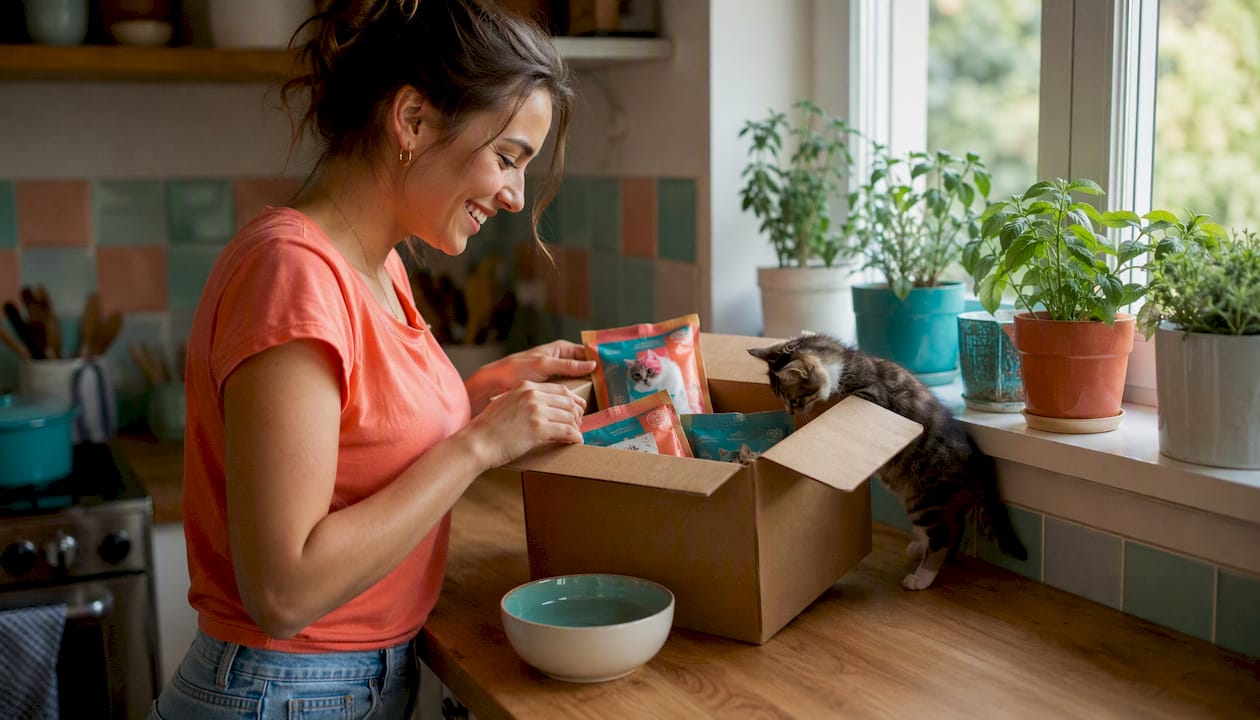
The most practical purchase route for UK owners is the Giddy Pets curated kitten bundle. Rather than ordering from multiple suppliers and hoping the combination is nutritionally sound, Giddypets curates wet and dry options informed by vet guidance, delivers to your door, and offers subscription flexibility so you can adjust as your kitten grows. It is particularly useful for new kitten owners who are not yet sure whether their kitten prefers wet or dry, since the bundle format lets you trial both without committing to a large single pack. Check the kitten essentials page for the full starter kit alongside food options.
Key takeaways
The single most important decision is choosing a food labelled “complete and balanced” for the kitten life stage, with a named animal protein and taurine declared — everything else is secondary.
| Point | Details |
|---|---|
| Choose complete and balanced | Look for FEDIAF-compliant “complete and balanced” labelling with a kitten life-stage statement on every food you buy. |
| Named protein is non-negotiable | The first ingredient should be a named animal protein (chicken, salmon, turkey) — not “meat and animal derivatives”. |
| Don’t switch to adult food too early | Wait until your kitten reaches roughly 90% of adult size, typically around 12 months for most breeds. |
| Transition slowly | Move to any new food over 7–14 days; slow down or pause if loose stools or vomiting appear. |
| Giddypets curated bundles | Giddypets offers curated kitten food bundles with subscription delivery, making it easy to trial wet and dry options together. |
Always speak to your vet if your kitten has a health condition, breed-specific needs, or persistent digestive issues — this article is general guidance, not a substitute for professional veterinary advice.
A note on how these picks were selected
These recommendations were put together using a combination of vet-informed formulation standards, FEDIAF compliance criteria, UK retail availability, and ingredient transparency. No product was included solely on the basis of marketing claims. Where a formula is backed by documented feeding trials, that is noted explicitly — it is a meaningful distinction from formulation-only products.
Giddypets stocks a curated selection of kitten food options and has a commercial interest in the products featured in the bundle. That said, the shortlist above reflects genuine nutritional merit and UK availability, not just what is on the Giddypets shelf. If you have questions about which formula suits your specific kitten, the Giddypets team is happy to help — reach out via the website for personalised guidance.
The commitment here is straightforward: vet-approved information, honest product assessment, and practical advice you can act on today.
Giddy Pets kitten food bundles: a convenient starting point
New kitten owners often face the same problem: too many options, no clear starting point, and a kitten who has very definite opinions about what they will and won’t eat. Giddypets takes a different approach.
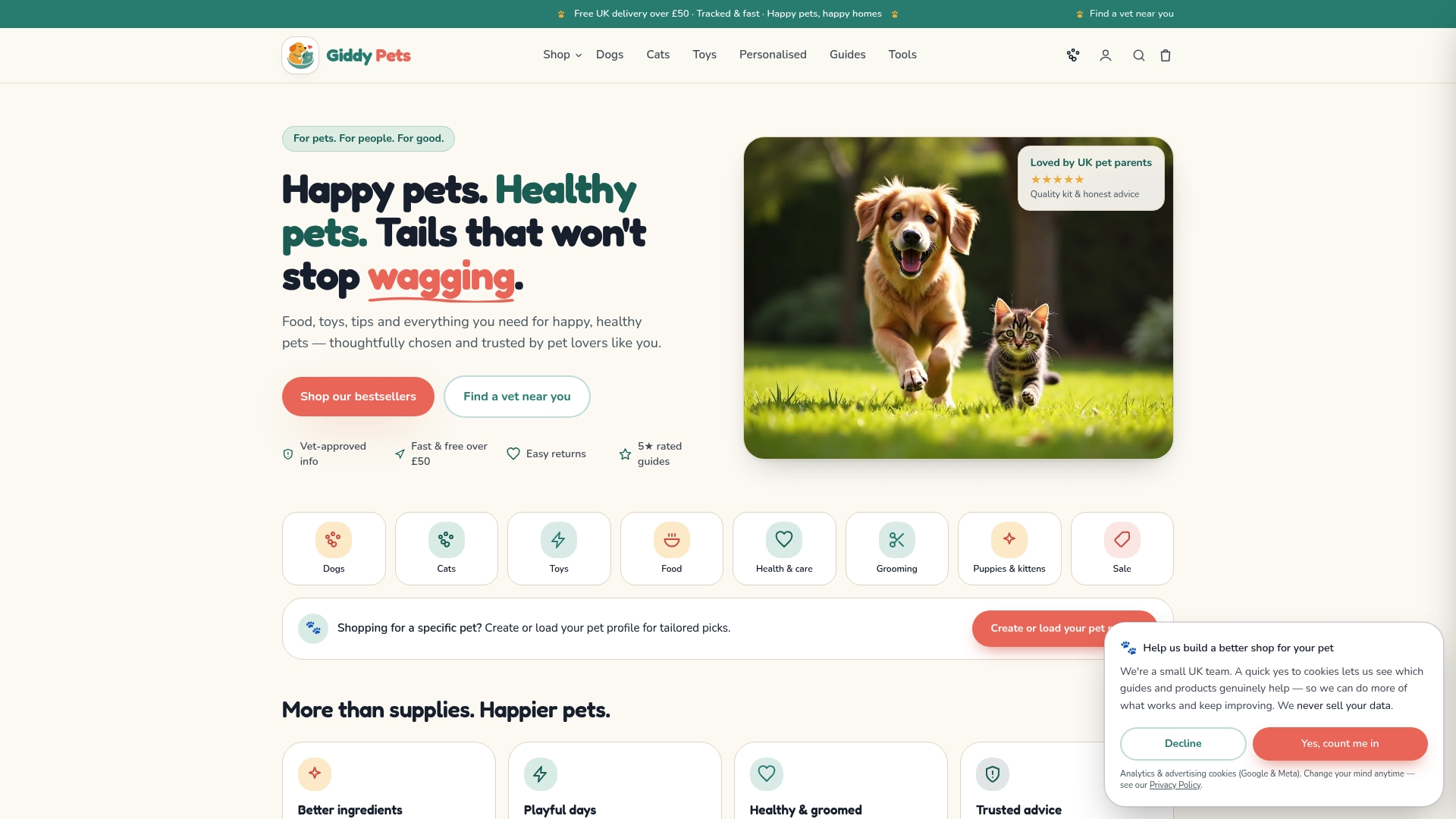
The Giddy Pets curated kitten food bundle brings together vet-informed wet and dry options in a single starter pack, delivered to your door with subscription flexibility built in. You can pause, adjust quantities, or switch flavours as your kitten’s preferences become clearer — no wasted large bags of food your kitten has decided to ignore. Delivery is UK-wide, and the team can advise on portion sizes and feeding schedules if you need a hand getting started. For everything else your new kitten needs alongside their food, the kitten essentials page is the logical next stop.
Useful sources and further reading
These are the primary references used in this article, alongside further reading for owners who want more detail on kitten nutrition and feeding standards.
- FEDIAF Nutritional Guidelines (2024) — The European pet food industry’s nutritional standards, including minimum requirements for kitten life-stage formulas. The most relevant regulatory reference for UK kitten food labelling.
- VCA Hospitals: When to switch kitten to adult food — Veterinary guidance on the 90% adult size rule and the risks of switching too early. Practical and clearly written.
- Hill’s Pet: Can kittens eat adult cat food? — Explains the nutritional differences between kitten and adult formulas, including the risks of extended kitten feeding.
- Purina: When to switch from kitten to cat food — Covers the weaning timeline and early feeding introduction, with practical guidance on solid food introduction from 3–4 weeks.
- Astoria Vets: When to switch from kitten to adult cat food — Detailed guidance on transition pace, including what to do if gastrointestinal signs appear during a food change.
- PetMD: Feeding kittens 101 — A broad overview of kitten feeding frequency, portion guidance, and the value of established brands with feeding-trial data.
- Giddypets: Cat feeding schedule — Practical UK-focused feeding schedule guidance covering portion sizes and frequency by age.
- Giddypets: Best senior cat food — For owners planning ahead: how feeding needs change as cats move from kitten to adult to senior life stages.