



Your itchy dog: Vet backed steps for the 3 main causes
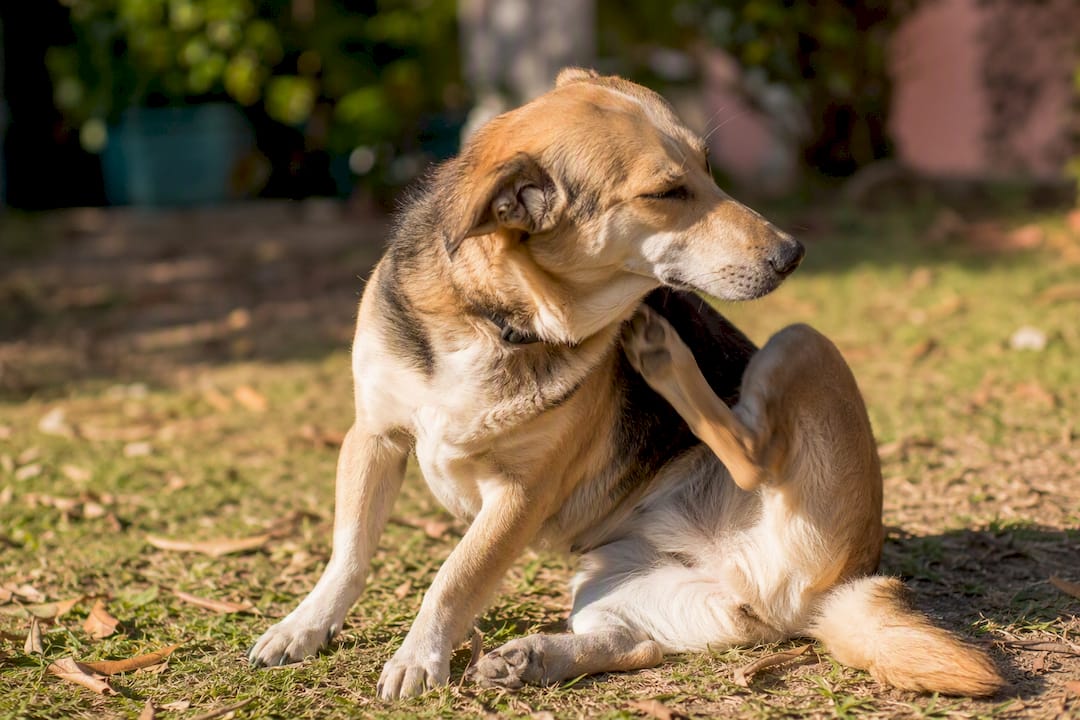
Your itchy dog: Vet backed steps for the 3 main causes
Most itchy dogs are dealing with one of three things: fleas or mites, an allergy, or a skin infection that’s taken hold underneath. If the scratching is mild and localised, it’s worth watching for a day or two. If it’s severe, spreading fast, or your dog seems unwell with it, get them seen by a vet promptly rather than waiting it out.
TL;DR:
- Parasites, especially fleas and mange mites, are the leading causes of canine itching, with flea allergy dermatitis causing severe reactions even without visible fleas.
- Veterinary diagnosis typically involves skin scraping, cytology, elimination diets, and allergy testing to identify the specific cause of itching.
- Antibiotics require 21 to 30 days to fully clear bacterial infections, and symptom relief from anti-itch medications often occurs within days but do not address underlying causes.
- Long-term prevention depends on year-round parasite control, regular grooming, and documenting flare-ups to manage environmental or food allergies effectively.
- Urgent vet attention is necessary if itching causes rapid spreading sores, swelling, breathing difficulty, or the dog shows severe pain, lethargy, or bleeding.
Table of Contents
- What causes itchy skin in dogs?
- How do vets diagnose the cause of an itchy dog?
- What treatments help an itchy dog, and how long do they take?
- What can you do at home while waiting for a vet appointment?
- How can you prevent itchy skin in dogs long term?
- When should you take an itchy dog to the vet urgently?
- Giddy Pets’ practical care notes for itchy dogs
- Support your dog’s skin between vet visits
- Sources
What causes itchy skin in dogs?
Pruritus, the clinical word for itching, isn’t a diagnosis on its own. It’s a symptom, and working out which of several overlapping causes is behind it takes a bit of detective work. Abnormal itching affects more than 20% of dogs seen in general veterinary practice, making it one of the most common reasons owners book a consultation.
External parasites sit at the top of the list. Fleas cause direct irritation, but flea allergy dermatitis is worse: a single bite can trigger an intense reaction across the lower back and tail base, even when you can’t find a single flea on the coat. Sarcoptic mange causes furious itching around the ear margins, elbows and hocks. Demodectic mange tends to cause hair loss with less itching. Ticks and lice cause more localised irritation where they attach.
Allergies come in two main flavours. Environmental (atopic) allergy often shows a seasonal pattern, flaring in spring and summer, and typically affects the paws, face, ears and armpits. Food allergy tends to itch all year round and often brings gut symptoms alongside the skin signs.
Infections frequently ride in on the back of another problem. Bacterial pyoderma causes red bumps, scabbing and a musty smell. Malassezia (yeast) infection brings a greasy coat, dark skin and a distinctly sour odour, often in skin folds and ears.
A few less common culprits round out the picture:
- Contact dermatitis from carpet cleaners, certain plants, or new bedding fabric
- Hormonal conditions such as hypothyroidism, which dulls the coat and thickens the skin
- Psychogenic itching linked to stress or boredom, sometimes mistaken for a skin problem
According to the AAHA, parasites, infections and allergies together account for the vast majority of itchy dog cases, and flea allergy alone can produce disproportionately severe reactions from minimal exposure.
How do vets diagnose the cause of an itchy dog?
Getting to the root cause usually follows a set sequence, and understanding it helps you prepare useful information before your appointment.
- Taking a detailed history. Your vet will ask about seasonality, diet changes, current flea and worm treatments, and anything new in the household. This single conversation often narrows the possibilities dramatically.
- Skin scraping and coat combing. A scraping checks for mites under the microscope, while a flea comb through the coat and bedding checks for fleas or lice directly.
- Cytology. A quick tape strip or slide sample identifies bacterial or yeast overgrowth on the skin’s surface.
- Elimination diet trial. If food allergy is suspected, a strict 8 to 12 week trial on a novel or hydrolysed protein diet is the only reliable way to confirm it, since blood tests for food allergens are notoriously unreliable.
- Intradermal or serum allergy testing. These identify specific environmental allergens, mainly to plan long-term immunotherapy rather than to make an initial diagnosis.
- Blood work or imaging. Reserved for cases where a hormonal or systemic illness is suspected alongside the skin signs.
What treatments help an itchy dog, and how long do they take?
Treatment depends entirely on what’s driving the itch, and timelines matter more than most owners expect.
Where secondary bacterial infection is confirmed, antibiotics are typically prescribed for 21 to 30 days. That’s longer than most owners assume for a skin problem, and it’s deliberate: skin infections need sustained treatment to clear fully. If the itching hasn’t improved by the end of that course, it usually points towards an allergy or other non-infectious cause rather than a lingering infection.
Anti-itch medications bring faster comfort but don’t fix what’s underneath them:
- Oclacitinib (Apoquel) works quickly to dampen the itch signal, often within a day or two
- Lokivetmab (Cytopoint) is a monoclonal antibody injection, typically lasting four to eight weeks per dose
- Both are symptom management tools, not cures, and vets use them to buy comfort while the real cause gets investigated
- Parasite treatments and full household flea control run alongside these where fleas or mites are involved
For allergic dogs, long-term management usually means a combination approach: an elimination diet if food is implicated, immunotherapy injections for confirmed environmental allergens, and a maintenance plan that keeps flare-ups manageable rather than promising a permanent fix.
What can you do at home while waiting for a vet appointment?
There’s a fair amount you can safely do to ease discomfort without masking anything your vet needs to see.
- Use gentle, vet-approved medicated shampoos or soothing dog wipes on affected areas, following the label directions closely
- Avoid human anti-itch creams or steroid ointments unless a vet has specifically told you to use them; some ingredients are harmful to dogs
- If fleas are even a possibility, wash all bedding on a hot cycle, vacuum thoroughly, and treat every pet in the household, not just the itchy one
- Use an e-collar, lick mat, or simple distraction (a walk, a chew toy) to stop self-trauma from constant licking or scratching, which can turn a mild irritation into an open wound within hours
Pro Tip: Take a short video of your dog scratching or licking before the appointment. Vets often see itching calm down the moment a dog arrives at the surgery, purely from the change of environment, and footage from home gives them a much truer picture.
How can you prevent itchy skin in dogs long term?
Prevention leans heavily on consistency rather than any single product or trick.
- Keep flea and tick prevention going year-round, not just in warmer months, since indoor heating lets fleas survive winter easily
- Ask your vet whether omega-3 fatty acid supplementation suits your dog, as it can support the skin’s natural barrier in some cases
- Dry your dog thoroughly after walks or baths, since damp skin and fur create ideal conditions for yeast and bacteria
- Use a deshedding brush regularly to clear loose hair and reduce the dander that allergens cling to
- For dogs with confirmed allergies, keep a simple diary of flare-ups against weather, food, and grooming products, and book regular check-ins with your vet rather than waiting for the next bad flare
When should you take an itchy dog to the vet urgently?
Most itching can wait for a routine appointment, but a handful of signs mean you shouldn’t delay.
- Seek urgent care if you see: rapidly spreading sores, facial or throat swelling, breathing difficulty, severe lethargy, a fever, obvious pain, or any bleeding
- Book a routine appointment for: itching that persists daily despite home care, self-inflicted wounds from scratching, or ear infections that keep coming back
- Bring with you: photos or a short video of the affected areas, a list of current flea and worm treatments, any recent diet changes, and a rough timeline of when the itching started
If you don’t already have a regular practice, Giddy Pets’ vet finder can help you locate one nearby.
Giddy Pets’ practical care notes for itchy dogs
We stock gentle, vet-approved wipes and shampoos because spot management genuinely helps between baths, without stripping the skin or masking symptoms your vet needs to assess.
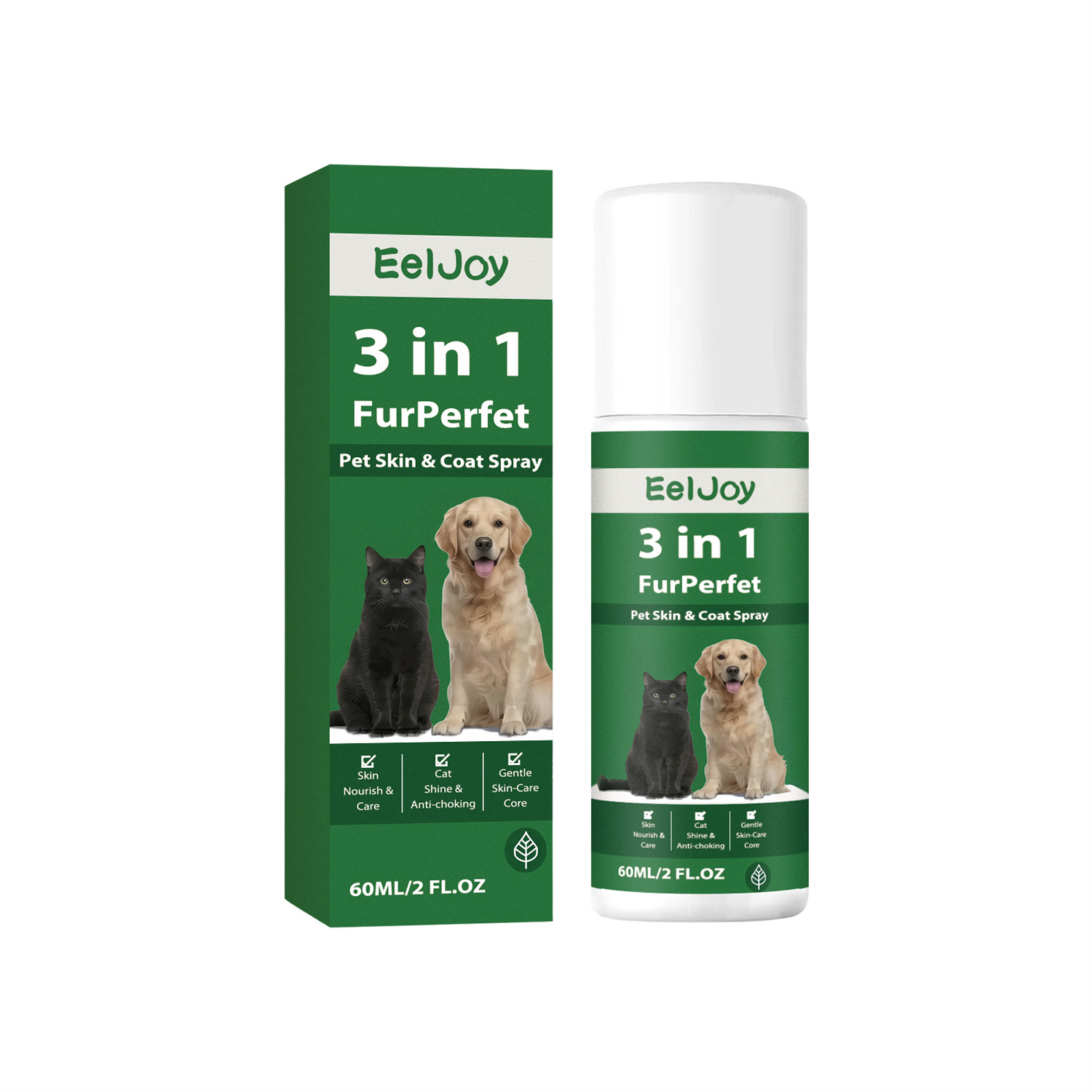
Good grooming tools matter more than people expect. A proper deshedding brush and thorough drying after walks cut down on the moisture and trapped dander that make irritated skin worse, and they work well alongside whatever treatment your vet prescribes.
None of this replaces a diagnosis. Retail products support comfort and hygiene; they’re not a substitute for veterinary investigation when something’s genuinely wrong underneath.
— Giddy
Support your dog’s skin between vet visits
Once your vet has identified what’s driving the itch, the right products make day-to-day management far easier. For spot relief, gentle dog wipes clean paws, ears and skin folds without disturbing whatever medicated treatment has been prescribed, and a soft grooming glove removes loose hair and dander with far less fuss than a traditional brush for a dog whose skin is already sore.

Giddy Pets’ health and grooming range is built around exactly this gap: comfort and hygiene support that sits alongside your vet’s plan, not instead of it. Browse medicated shampoos, soothing wipes, and deshedding tools that reduce allergen load between treatments, all vetted for suitability before they go on the shelf.
If your dog is prone to flare-ups, stocking up now means you’re not scrambling for the right product mid-scratch. Head to the health and grooming shop and pick up what suits your dog’s current care plan, then book that vet appointment if you haven’t already.

Sources
For deeper reading, the Merck Veterinary Manual covers diagnostic pathways in detail, AAHA explains common causes for owners, and Zoetis details how anti-itch medications work. Always discuss your dog’s specific case with your own vet.
- When is itching an issue? Identifying and treating abnormal itch in dogs - Merck Animal Health
- Itching (pruritus) in dogs - Merck Veterinary Manual
- Why is my dog itchy? - AAHA
- How Apoquel works - Zoetis